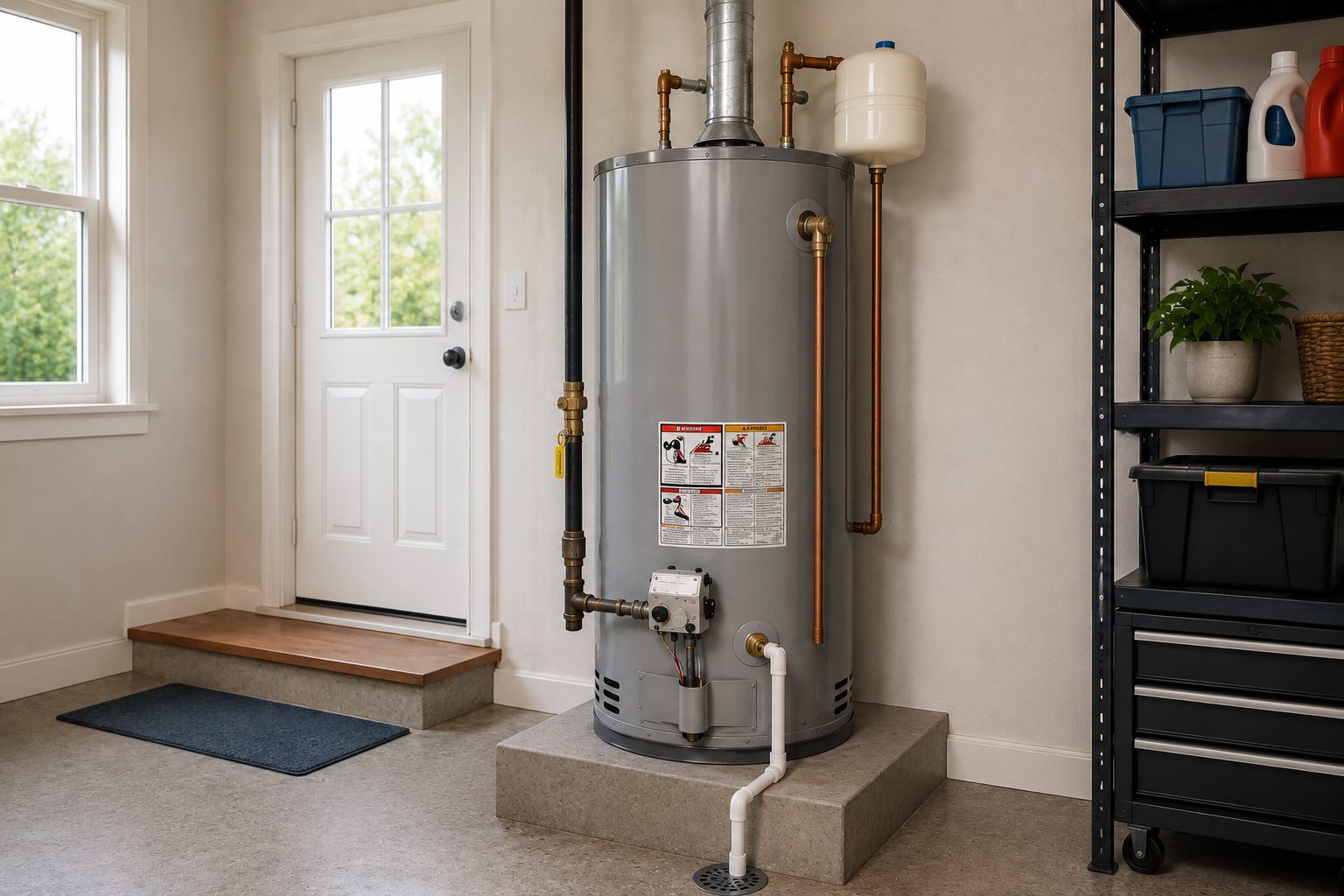
Upgrade Your Hot Water System
Tankless Water Heater Installation
Find out whether tankless is a good fit for your Colorado Springs home.
Upgrade Your Hot Water System
Find out whether tankless is a good fit for your Colorado Springs home.
Tankless water heaters can provide long-duration hot water without storing a full tank, but a successful installation depends on much more than choosing a unit from a catalog. The system has to be sized for household demand, incoming water temperature, simultaneous fixture use, available gas or electrical capacity, venting, condensate requirements, and the physical installation location.
We evaluate those details before recommending equipment. For homeowners replacing a standard tank with a tankless unit, we also explain any changes that may be required to gas piping, venting, electrical service, water connections, or mounting location. That helps you understand the complete project rather than only the price of the appliance.
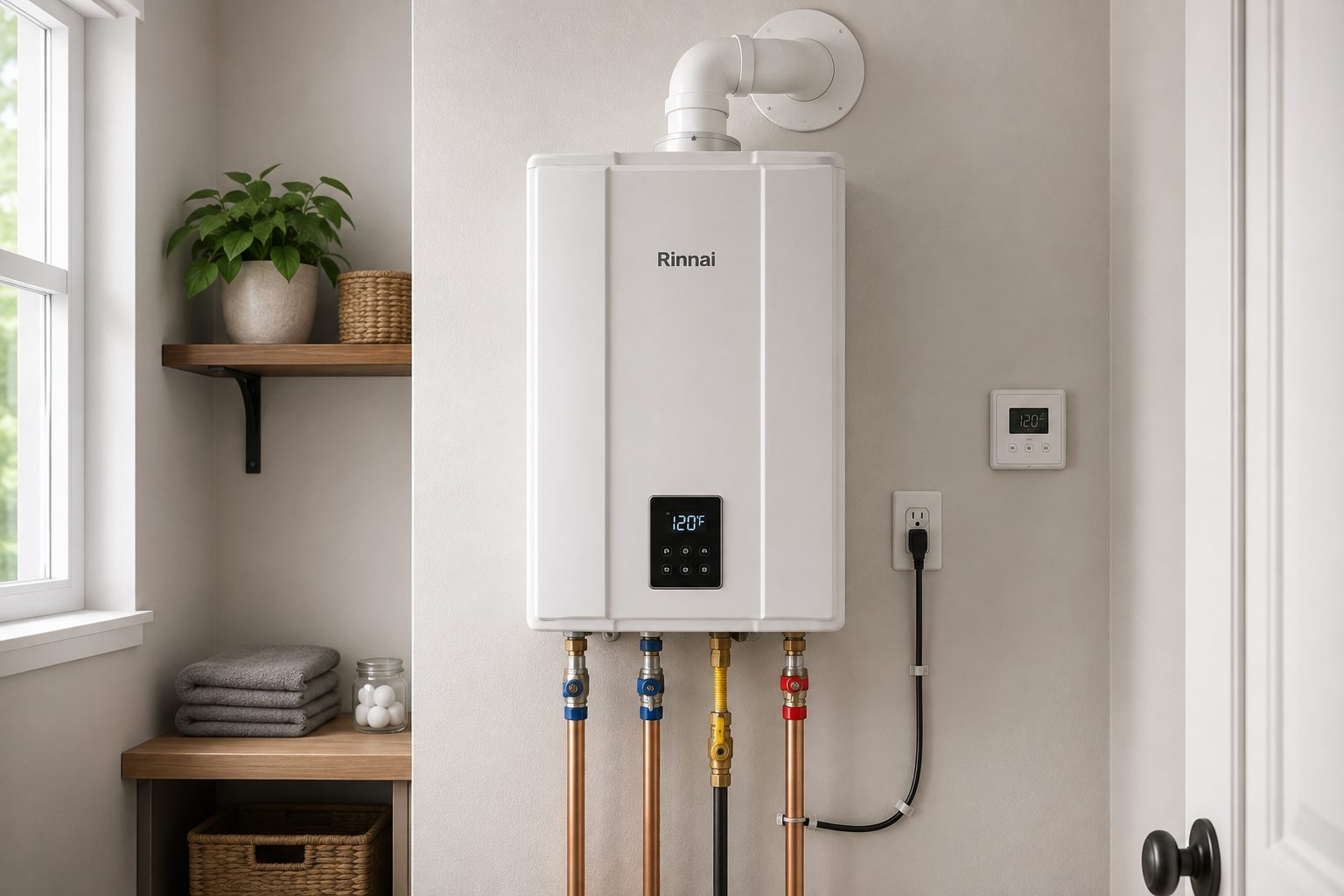
Tankless systems work best when the equipment and supporting utilities are designed around the actual home and expected hot-water demand.
We consider household size, fixture demand, expected simultaneous use, and temperature rise so the unit can deliver adequate hot water under normal conditions.
Gas-fired tankless units can require more input capacity than traditional tank water heaters. Existing gas piping and available supply need to be evaluated before installation.
Modern tankless units have specific venting requirements, and high-efficiency models may also produce condensate that needs an appropriate drain path.
Isolation valves and service connections are important for future maintenance. We plan the installation so routine flushing and service are practical.
Converting from a storage tank can involve more work than a direct replacement. We identify those changes in advance so you can make a realistic decision.
| Service | Estimated Cost | Average |
|---|---|---|
| Basic tankless replacement | $3,500–$5,500 | $4,500 |
| Tank-to-tankless conversion | $4,500–$7,500 | $6,000 |
| Complex installation with utility upgrades | $6,000–$10,000+ | $8,000 |
Actual pricing depends on equipment capacity, fuel type, venting, gas or electrical upgrades, access, condensate handling, and installation complexity.
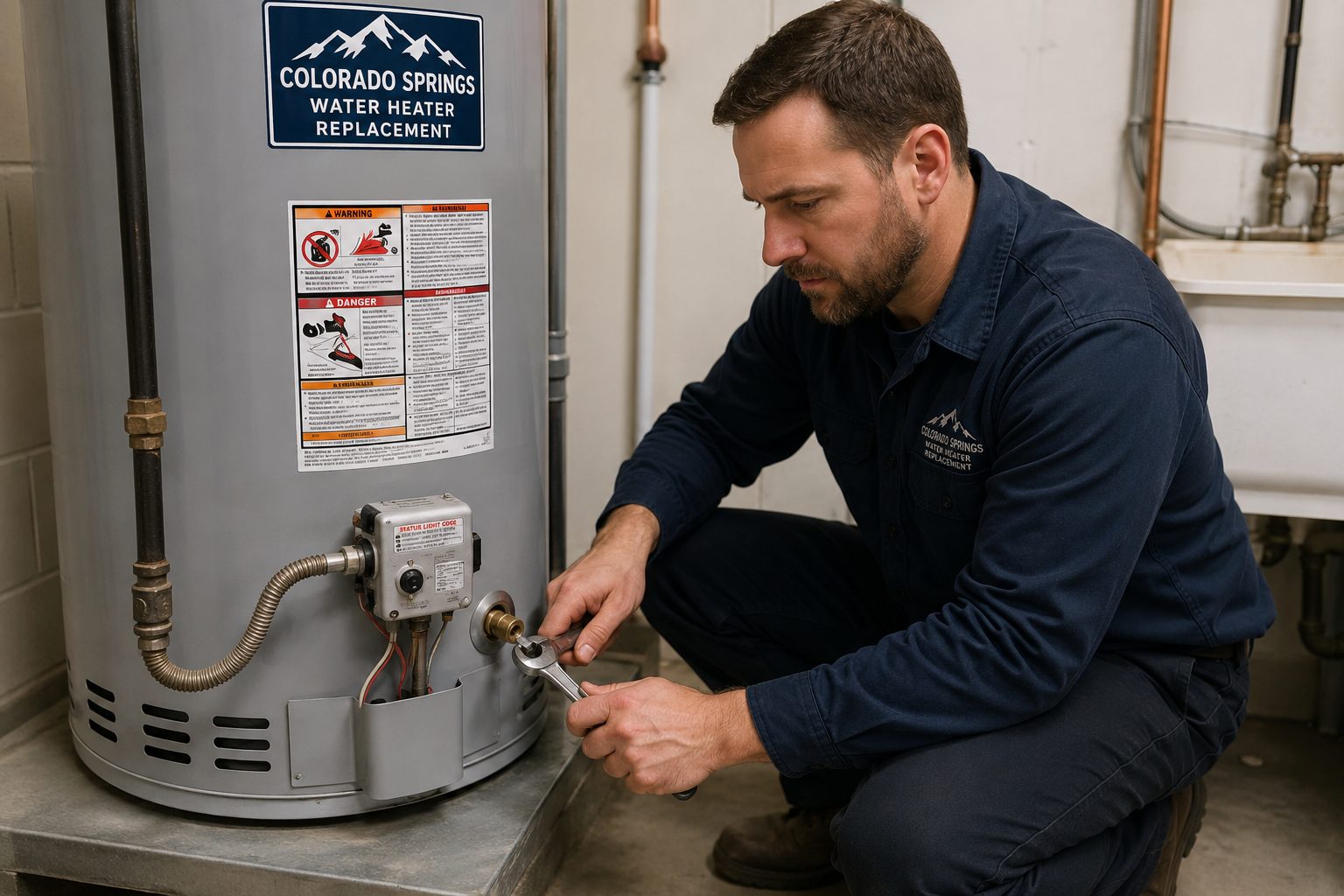
We look beyond the appliance and evaluate the supporting gas, venting, electrical, water, and drainage requirements.
We size equipment around expected household demand rather than choosing a unit based only on brand or advertised capacity.
If a tankless conversion does not make practical sense for the home, we will explain why and discuss alternatives.
Considering a tankless water heater? Get a project-specific recommendation before you choose equipment. Request your free, no-obligation estimate below and we'll follow up the same business day.
Free — no obligations
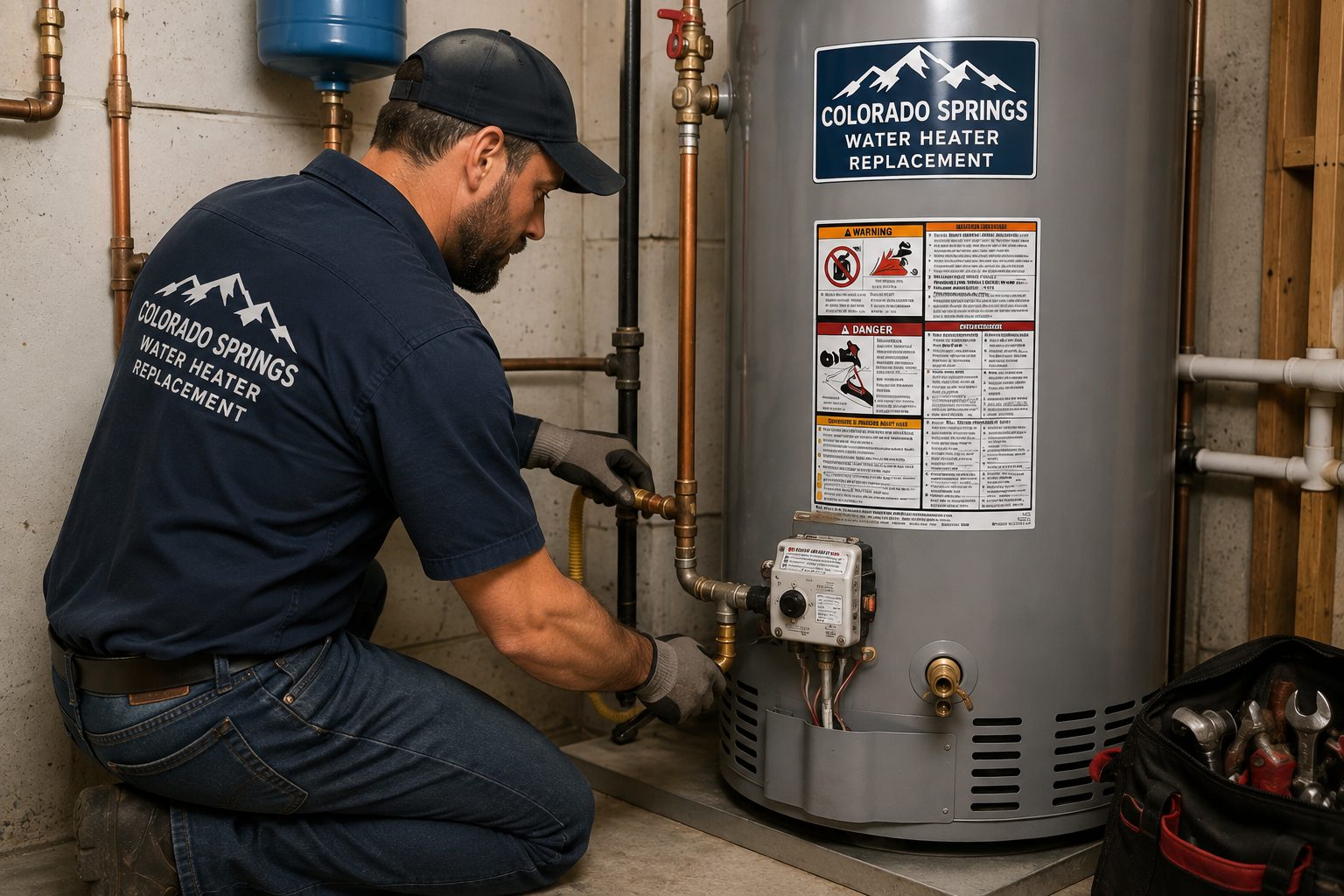
We review household demand, existing equipment, fuel source, installation location, and utility capacity.
We identify an appropriate tankless configuration and explain any supporting upgrades.
We plan equipment placement, venting, water connections, power, and condensate routing where applicable.
We install the system, verify operation, and review basic use and maintenance expectations.